

The Silent Monster of Anxiety: When is Stress Normal and When Does it Need Professional Help?
Introduction:
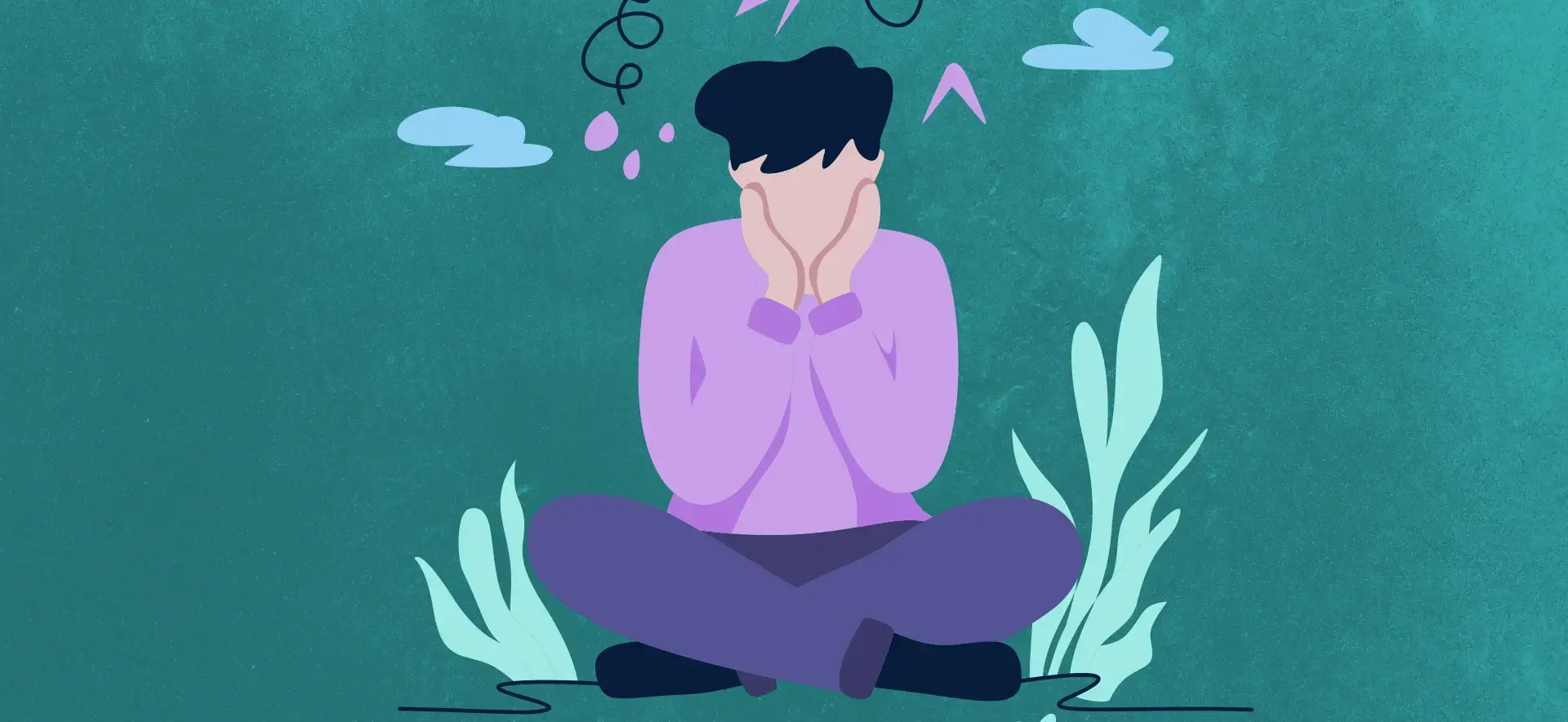
Have you ever felt a tightness in your chest for no apparent reason? Or found that your mind won’t stop creating worst-case scenarios for the future? In today’s world, anxiety has become a constant companion for many. However, there is a fine line between the anxiety that drives us to achieve and the anxiety that "imrisons" us within our fears. At Hudu Center, we help you decode this feeling and regain control over your life.
Good Anxiety vs. Clinical Anxiety:
Not all anxiety is bad; normal anxiety is an "alarm bell" that motivates you to prepare for an exam or meet a work deadline. The anxiety that requires attention is the one that:
Persists for long periods without a real cause.
Is accompanied by physical symptoms like headaches, IBS, or hand tremors.
Hinders you from living a normal life or enjoying quiet moments.
A Statistic Worth Noting:
Global estimates suggest that 1 in 4 people will suffer from an anxiety disorder at some point in their lives. In ambitious societies, this percentage increases due to competitive pressures, making the knowledge of how to deal with anxiety an essential survival skill.
How Do We Address Anxiety at "Hudu"?
We don’t just soothe the symptoms; we look for the roots. We utilize the latest techniques such as:
Cognitive Behavioral Therapy (CBT): To reframe the distorted thoughts that cause fear.
Mindfulness and Grounding Exercises: To train the mind to live in the "now" instead of worrying about "tomorrow."
Personalized Support: Treatment plans tailored to your lifestyle and specific circumstances.
Conclusion:
Anxiety is not an inevitable fate, and living with inner peace is not a luxury—it is your natural right. Always remember that the first step to healing is recognizing that you deserve a better, more tranquil life.
Related Articles


How to Help Your Child Cope with Academic Stress and Test Anxiety
Learn how to recognize academic stress and test anxiety in children and teenagers, how parents can provide effective support, and when professional help may be needed.

How Can You Tell If Your Child Has a Learning Difficulty or Just a Temporary Academic Setback?
Learn the signs of learning difficulties in children, how they differ from temporary academic struggles, and when persistent difficulties in reading, writing, or mathematics may require professional assessment.
How Can You Tell the Difference Between Normal Fatigue and Burnout?
Feeling exhausted even after resting? Learn the difference between normal fatigue and burnout, the signs worth paying attention to, and when it may be appropriate to seek professional support.
